HARDNESS
The scratch test
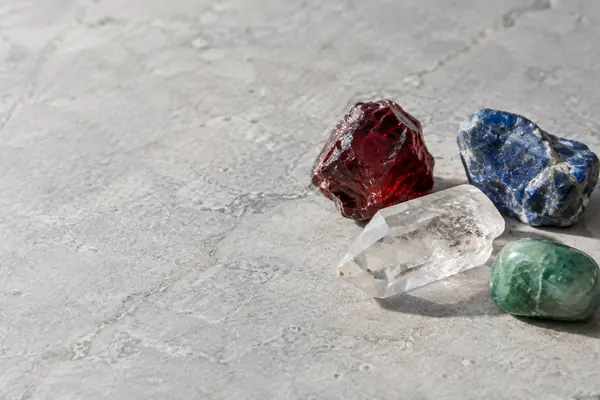
The Mohs scale ranks a mineral's relative resistance to scratching, from talc at 1 to diamond at 10. Ruby and sapphire, both corundum, score 9.
Compare gems
WHAT THE GEOLOGISTS SAY
MOHS 1–10 talc to diamond
AI-generated image, not a photograph of a real person or place.
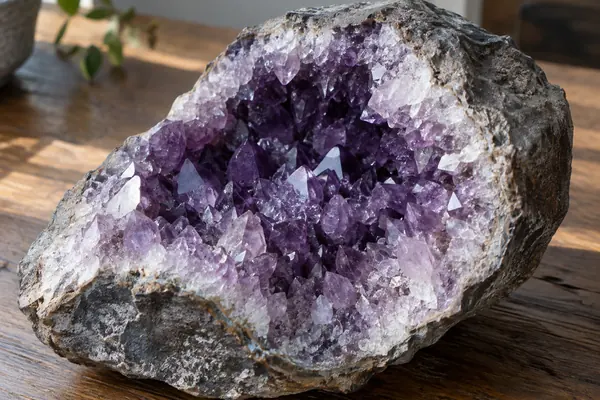
Every gemstone starts as a mineral in rock.
There are over 5,000 known minerals, and only a handful are prized as gems for their beauty, durability and rarity. Here is how they form, how hardness is measured, and how diamonds are graded.
THE SHORT ANSWER
Three ideas explain most of it.
Hardness, where gems form, and how diamonds are graded.
HARDNESS
The Mohs scale ranks a mineral's relative resistance to scratching, from talc at 1 to diamond at 10. Ruby and sapphire, both corundum, score 9.
Compare gemsFORMATION
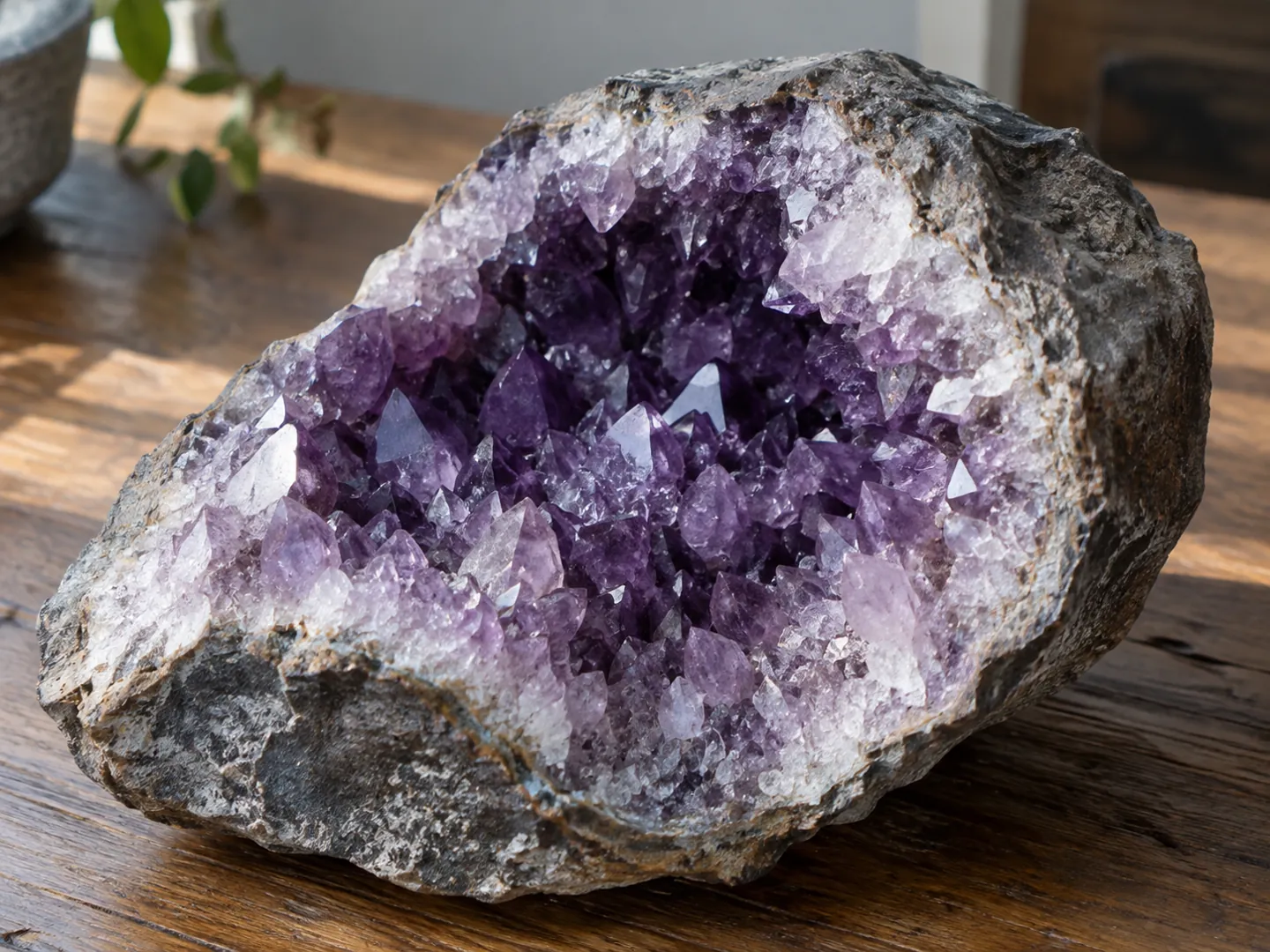
Diamonds ride up in kimberlite from at least 100 kilometres down. Other gems grow in pegmatite veins or in rocks changed by heat and pressure.
Follow a diamondTHE 4Cs
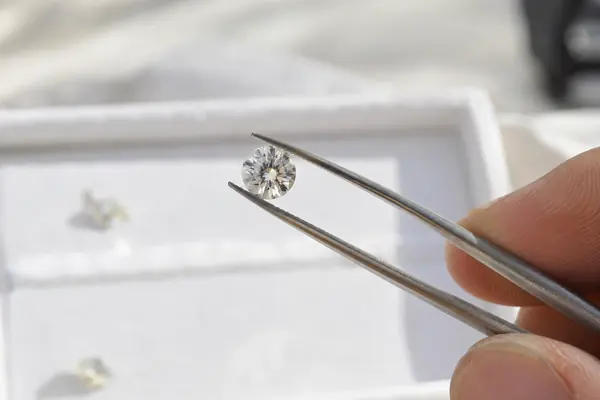
GIA developed its diamond grading system in the 1950s. One metric carat is 0.2 of a gram, divided into 100 points.
Read about colour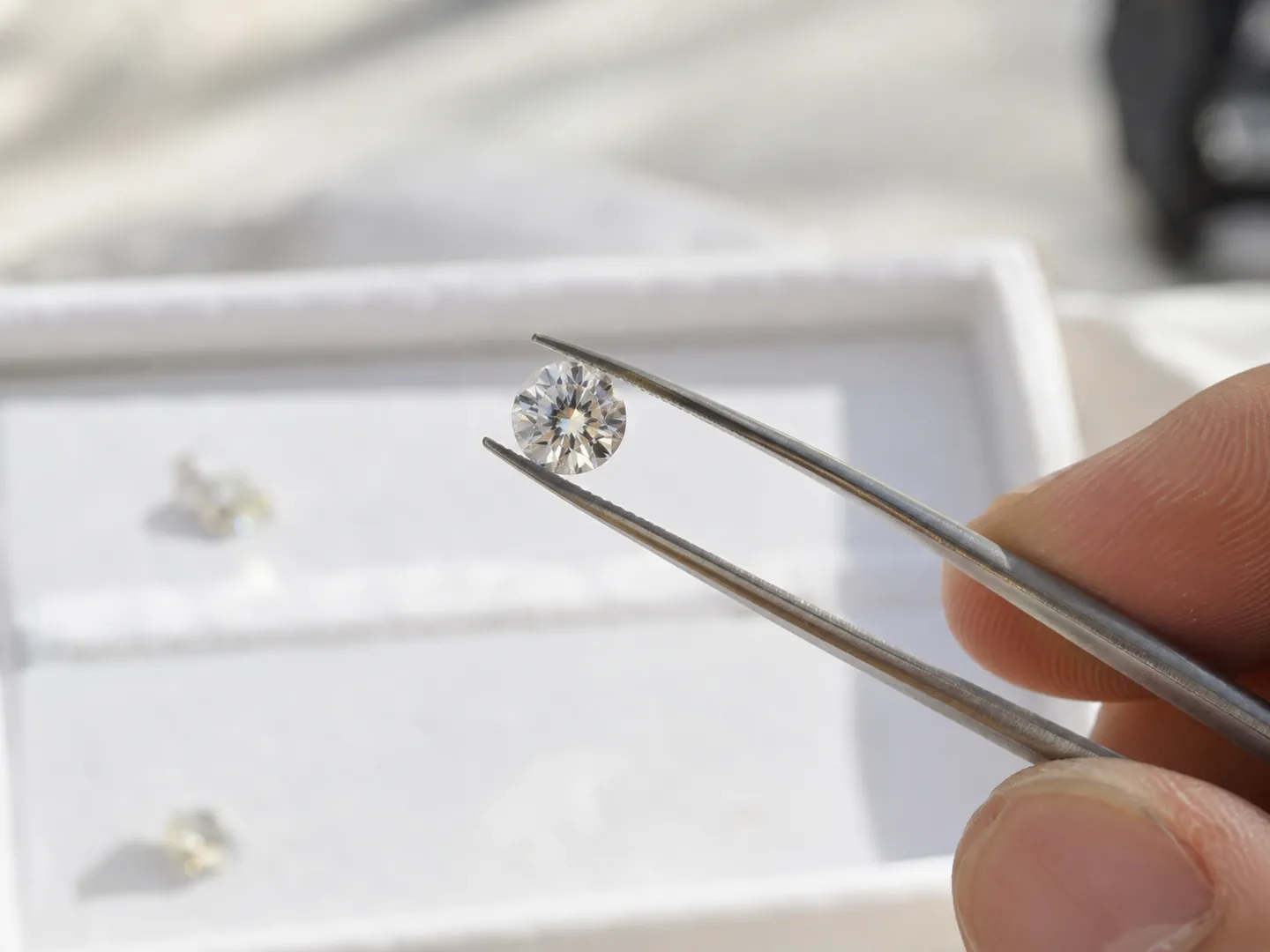
FROM MANTLE TO MUSEUM
Diamonds travel a long way before anyone sees them. These four steps follow one from deep in the Earth to a grading lab.
Carbon atoms crystallise under intense heat and pressure in the mantle, which has extremely high temperatures and pressures up to 160 kilometres below our feet.
Kimberlite rises from at least 100 kilometres down and forms a pipe-shaped rock body, carried up in huge, ancient volcanic eruptions.
Diamonds are scattered sparsely through the rock: about 1 part in 40 million in Africa's richest pipes.
Colour, clarity, cut and carat weight. GIA's clarity scale alone has 11 grades, from Flawless to Included.
TWO NUMBERS WORTH KNOWING
One figure on how much rock a diamond takes,
one on how rare natural colour is.
200–400 million×
Rock processed for one ring diamond
The USGS says the average diamond in an engagement ring needs 200 to 400 million times its own volume of rock to be removed and processed. Even Africa's richest pipes average about 1 part diamond in 40 million.
ROCK MOVED · USGS
1 in 10,000
Coloured diamonds among colourless ones
The Natural History Museum says that for every 10,000 colourless and near-colourless diamonds, only one is classed as a fancy coloured diamond.
FANCY COLOUR · NHM
The Natural History Museum looks after around 185,000 mineral specimens, and says around 100 new minerals are discovered every year.
A QUICK HARDNESS CHECK
Pick a gem to see where it sits on the Mohs scale of 1 to 10. The bar shows how high it scores: how well it resists being scratched.
Hardness values from the US Geological Survey's Natural Gemstones guide. General information, not buying advice.
WHERE COLOUR COMES FROM
Most diamonds fall in a normal range from colourless to light yellow and brown. The Natural History Museum explains that nitrogen atoms replacing carbon give yellow, and tiny amounts of boron give blue.
Green comes from natural radiation from a nearby radioactive mineral, while pinks and reds are thought to come from a deformed crystal structure. Purple needs both the red and the blue causes, and is almost never found.
In conversation
It ranks a mineral's relative resistance to scratching. It uses 10 standard minerals, from talc at 1 through quartz at 7 to diamond at 10, and is named after the mineralogist Friedrich Mohs.
Yes. The USGS lists both as varieties of corundum, which scores 9 on the Mohs scale. Emerald and aquamarine are both varieties of beryl.
They form deep in the mantle and are carried up in kimberlite, a rock that rises from at least 100 kilometres down in ancient volcanic eruptions and forms pipe-shaped bodies.
Colour, clarity, cut and carat weight: the system GIA developed in the 1950s to describe diamond quality. Cut is about proportions, which decide how light behaves inside the stone.
One metric carat is 0.2 of a gram, or 200 milligrams. GIA says the carat is divided into 100 points.
Each figure on this page comes from the sources below.
ABOUT THIS NAME
doodlejewel.com is part of the DoodleSale portfolio. It isn't in an auction right now, but you can ask about leasing it.